


How to Gain Wholeness by Your Christian Identity - Learn from a Mental Health Technician
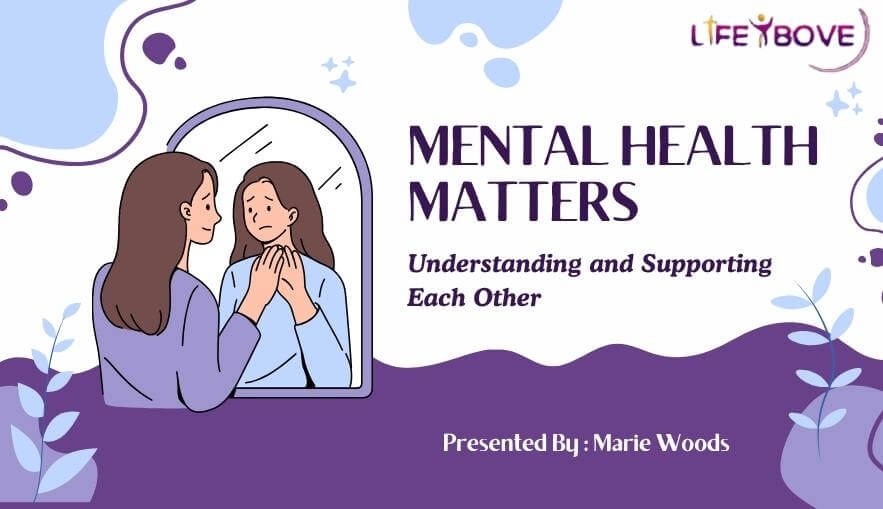
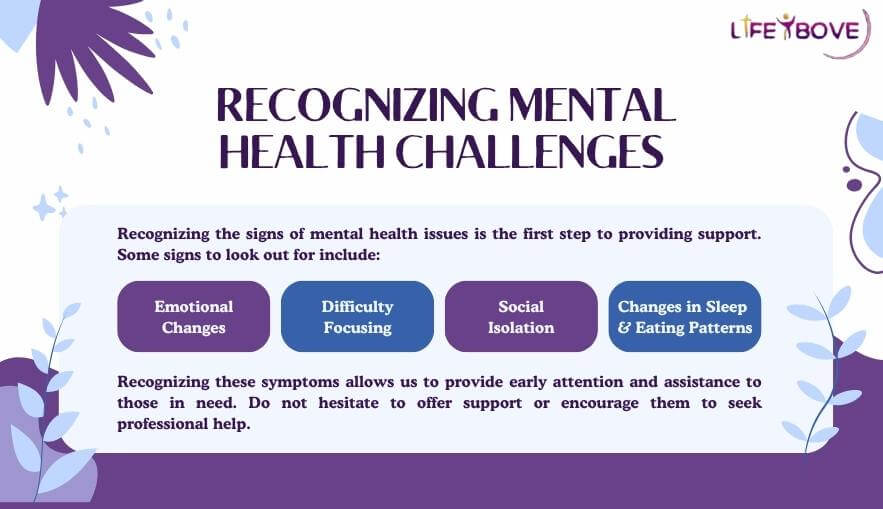
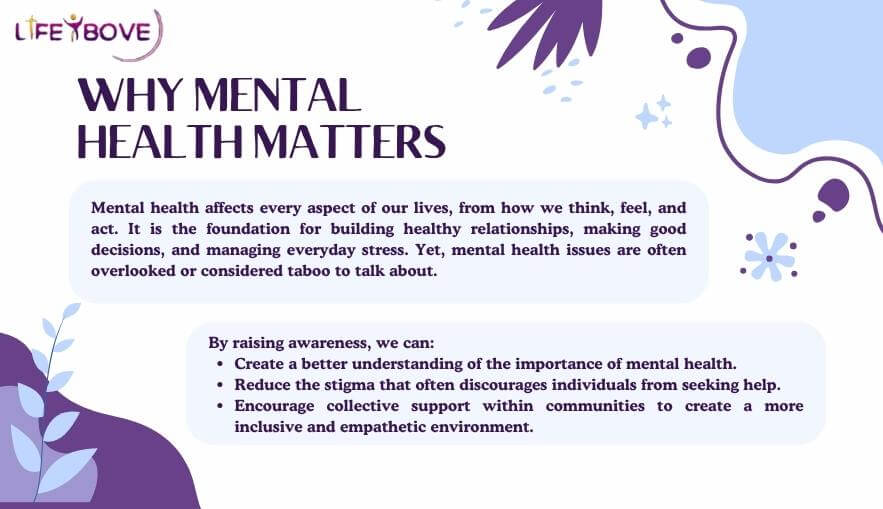
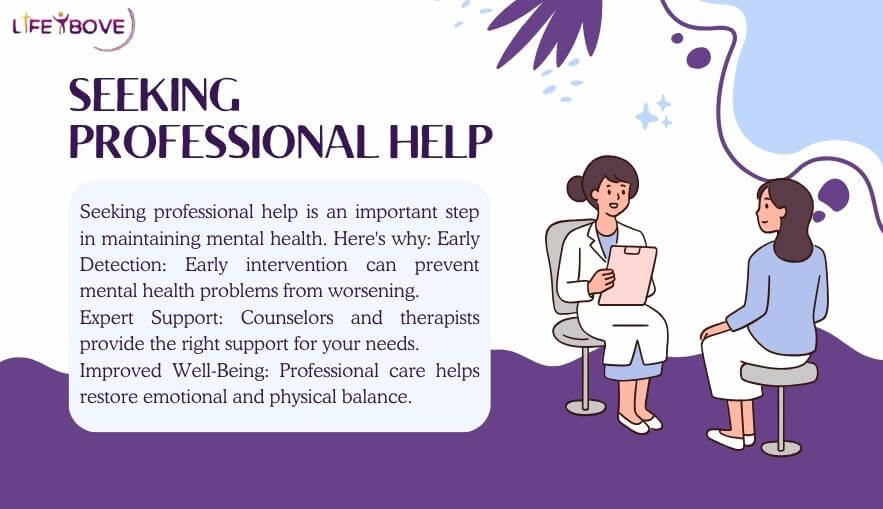
In today's environment, it's becoming more and more evident that faith and mental health are connected.
As a mental health technician, I've seen how knowing who we are in Christ can improve our lives. Being complete is more than simply a state of mind; it's a spiritual truth that can heal you in many ways.
We can win the mental battles that often get us down when we remember who we are as Christians.
This road to wholeness is more than just a way to heal; it's a way to reconnect with who we are in Christ in every manner: cognitively, emotionally, and spiritually.
Let's speak about how accepting both faith and mental health can help you become whole and stay that way as a Christian.
The Plague of Modern Identity Crises
We are now in the age of "Expressive Individualism," when being real involves going deep inside yourself to find your "true" self and getting society to accept it.
This means you have to build your own identity, and you are also responsible for keeping it up. This means you always need someone to tell you you're doing well, which is tiring.
If you base your self-worth on your achievements or social media stats, it can be quite fragile and break with just one setback.
Technology makes this worse by making us compare our "behind-the-scenes" troubles to everyone else's "highlight reel." A lot of people in the world are asking themselves, "What does it mean to be a Christian?" as they look for something that won't change over time.
What does identity mean?
Identity is the response to the question, "Who am I?" It is the collection of ideas and qualities that define you. To define identity in Christ transcends mere personal desires or occupational responsibilities.
What does it mean to be in Christ? It means that God is writing a story about your worth now and your hope for the future, not the story you tell about your past.
The world argues that your identity is dependent on what you do, while the Bible says that your identity is based on who you are in Christ.
Why is it so hard to figure out who we are?
The issue is that the world is continually changing. When there are too many choices, it might be challenging to find a sense of self.
This is known as "paralysis of choice." Also, because our feelings are often at odds with one other, our sense of ourselves based on emotions changes from day to day.
A lot of people have problems answering the question, "How do I know my identity in Christ?" because society is flawed and doesn't show us how valuable we are in a clear way.
Sometimes, much like a mental health technician observing a patient's struggles, you need to stop looking at these social contradictions and start looking at something that never changes to establish your identity in Christ.
What Our Relationship with God Means
In Christianity, you don't have to work for your identity; you get it. This is the main answer to the challenges we have right now. The world changes who we are, but who is Christ?
It is a fixed fact based on His unchanging character and finished work, not on how well you do at different times.
Myles Munroe says that being "Adopted as Children" provides you a sense of safety that nothing can take away, not even losing your job or being turned down by your pals.
This relationship shows me what my purpose is as a Christian: I don't have to "hustle" to prove that I'm worth something.
But your identification provides you a reason to express the world God's love. You may now rest and work from a place of complete acceptance instead of trying to get it.
Why Jesus is a Good Role Model for People Who Don't Know Who They Are
Jesus didn't have to work hard to gain God's approval; he already had it. At His baptism, God exclaimed, "This is my beloved Son, in whom I am well pleased." This was before He did any miracles.
This proved who He was. As basic teachings on identity (Myles Munroe) show, this shows that true significance comes from the Creator's intent, not from what people do.
He wasn't scared by the cheers of the crowd or their threats of rejection because his worth was founded on a "fixed point" that people couldn't reach. He also acknowledged "downward mobility," which indicated that value isn't dependent on where you are or how much you want to be "more."
Much like a professional mental health technician who must maintain a stable core while supporting others through crisis, He felt a variety of things, like despair, anger, and happiness, yet those sentiments never changed who He was deep down. He remained the same person in the garden of pain as He was on the mountain.
What is Keeping You From Your Identity in Christ?
Why is it so hard to preserve our identity in Christ if it is a gift? There are often a lot of "identity thieves" in the way. Many people have the "Earned Worth" illness, which makes them feel "unsafe" when they earn grace because they don't deserve it.
Trauma and old labels can keep some people rooted in the past. They still see themselves as "the failure" or "the victim" instead of "the redeemed," even though they know God has forgiven them. We also fall into the "Comparison Trap" when we glance at social media instead of the Bible.
5 Bible texts that help me figure out who I am in Christ
You need to modify how you see things in order to begin the journey to spiritual completeness. Don't think you have to make yourself; instead, focus on the peace that comes from knowing that God accepts you. Learning 5 Biblical Truths on how to find your identity in Christ can help you start to break down the false stories that tell you how much you are worth.
1. Shedding Misfit Masks
Society, our past experiences, and even well-meaning church cultures can put "misfit masks" on us—labels like "successful," "virtuous," or "worthy"—that we find hard to keep up.
In a clinical setting, a mental health technician might recognize these as social stressors that impact one's true sense of self. These masks are not who you are as a Christian; they are fronts that make it hard to breathe.
Taking them off is the courageous first step toward being whole. When you say that you aren't perfect and that you make mistakes, you agree that Christ's love doesn't depend on how well you do. You are loved and welcomed just the way you are.
2. Rooted in Grace, Not Guilt
Guilt pushes you to "fix" your mistakes, but shame often tells you that you "aren't enough." "But grace sings a different song." You shouldn't attempt to make yourself perfect; instead, you should sink your roots into God's unearned grace.
When you let God's unchanging love define who you are instead of unmet expectations from the past, you can grow without the heavy burden of shame holding you back.
3. Embracing the Broken Pieces
We all have parts of our life that are "jagged" and don't appear finished, but God is wonderful at making our brokenness into a beautiful mosaic of grace. A huge element of this transition is being open and honest. We often find that sharing our issues with others is the first step toward healing.
People commonly go through this process in therapy to mend their relationships with others and with themselves.
Much like a mental health technician who supports patients as they navigate emotional recovery and behavioral change, Colossians 3:13 and other Bible verses teach us that forgiveness is the best way to heal the most painful gaps in our relationships.
4. Living Your Unique Melody
God has given each Christian a certain "song" in their heart, but we frequently stop singing it because we compare ourselves to others. Accepting the gifts God gave you, even if they seem weird to other people, is what it means to be entire.
When you stop trying to play someone else's song and start playing your own, you add a lot to the symphony of His creation. Your unique personality, which is shaped by your interests and guided by your faith, is a big part of His kingdom.
5. Journeying in Community
You can't get to wholeness on your own. When we forget who we are, we need friends to travel with us to remind us. When we find meaningful connections in the Body of Christ, we may celebrate successes and work through losses together.
Growth happens best when you're among other people, whether it's through the support of a mental health technician for healing relationships or just spending time with friends.
Remember that becoming whole in your Christian identity is a journey, not a goal. Even if you don't feel like it, you can trust that you are already whole in Christ.
How can we stay true to who we are in Christ?
To get over these challenges, we need to quit being "functional atheists," which means believing in God but acting like everything is up to us. You need to adjust how you "immerse" yourself in your faith in order to retain your identity in Christ.
The world's tale of who we are will always feel more real if we spend hours on social media and only a few minutes reading the Bible.
To understand how to retain our identity in Christ, we need to consciously replace the stories of the world with the truth of our adoption as children of God.
Marie Woods' Christian Identity: Accept Your Whole Self
I am Marie Woods, a Christian businesswoman with big ideas who wants to help people reach their full potential and be successful.
Much like a dedicated mental health technician who supports others through their most challenging moments, I have helped a lot of individuals attain their objectives and transform their lives by providing them new ideas and advice.
I aspire to make the world a better place by working on myself and growing as a person. My interesting path and essential work continue to motivate and encourage others to reach even higher levels of success.
FAQs
What is wholeness in Christianity?
In Christianity, being whole entails trusting God's power to alter you and healing relationships to unleash wholeness in your Christian identity.
When does God make you whole?
God makes you whole when you study healing relationship verses and accept His grace.
What does it mean to know who you are in Christ?
Knowing who you are in Christ gives you a reason to live and helps you grow in your faith. It also tells you what your identity as a Christian is and gives you a solid foundation in His truth.
How to strengthen your identity as a Christian
Prayer, reading the Bible, and being part of a community can all help you feel more connected to your Christian religion and build your identity in Christ. You should also keep learning how to be who you are in Christ.